Resonant Body
an experiment in feeling space, and in understanding vibration as a form of storytelling.

The starting point for this project was a simple curiosity: what does a nightclub feel like when listened to through vibration rather than music? Spaces constantly tremble, but in a nightclub this trembling becomes unusually dense. bass pressure, footfall, leaning bodies, architectural tension. Seeing Alexandra Spence’s Every Space Is Trembling sharpened that curiosity. Her approach to listening through the surfaces of a space opened a pathway to explore the nightclub not as a site of music, but as a site of physical resonance.
With that in mind, I spent a Saturday night at Carousel placing contact microphones on surfaces throughout the venue. Not the obvious ones, but the places that quietly hold the room together: the start of the stairs, the back bar bench, the window frames, the booth railing, even the bathroom door. Each area responded differently. Some produced deep rumble, others a thin metallic shimmer, others an unexpected softness. What stood out was how uneven the vibrational landscape of the club actually was. Every corner felt like a separate micro-environment with its own character.
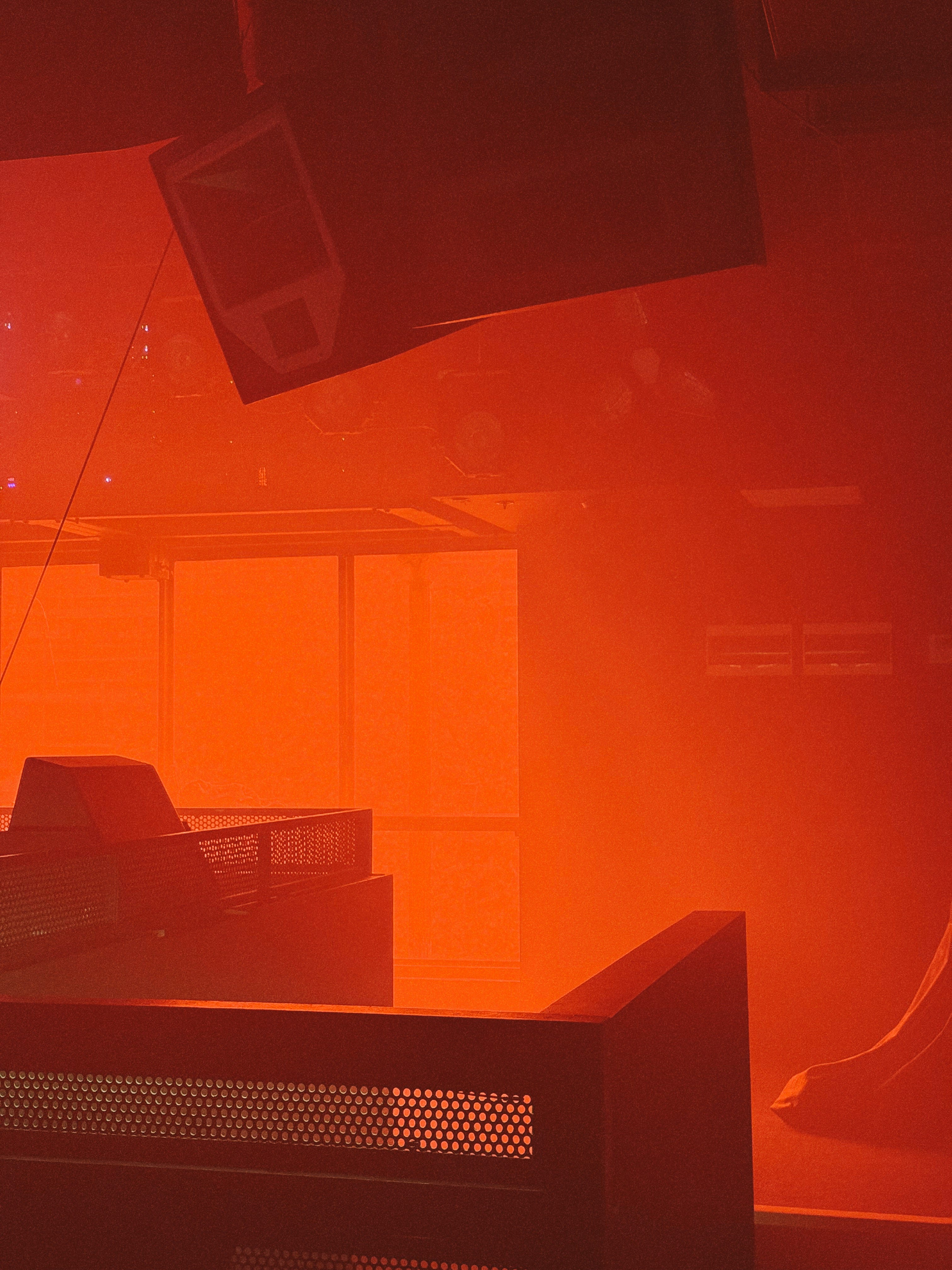
Many attempts didn’t work. Anything too close to the dancefloor picked up airborne audio, blurring vibration into muffled music. Certain surfaces rattled unpredictably. The quieter edges of the space, the places where people step out of the intensity, sit, talk, or pause. These zones carried surprisingly subtle and expressive textures, suggesting that the quieter physical gestures of the night impressed themselves on the building in ways the main floor did not.
Listening back to the recordings later revealed a version of the club that often goes unnoticed. The floor conveyed weight and momentum. The railings translated movement. The windows trembled with pressure from the sound system. Each clip felt less like documentation and more like material evidence of how the space held and redistributed energy.
Some writing on club architecture describes the nightclub experience as an interplay of control and abandon, shaped by elements like corridors, thresholds, and stairways. That description aligned strongly with what the recordings suggested. Vibration seemed to map these transitions, moments of intensity, moments of rest, the shifting balance between bodies and architecture.
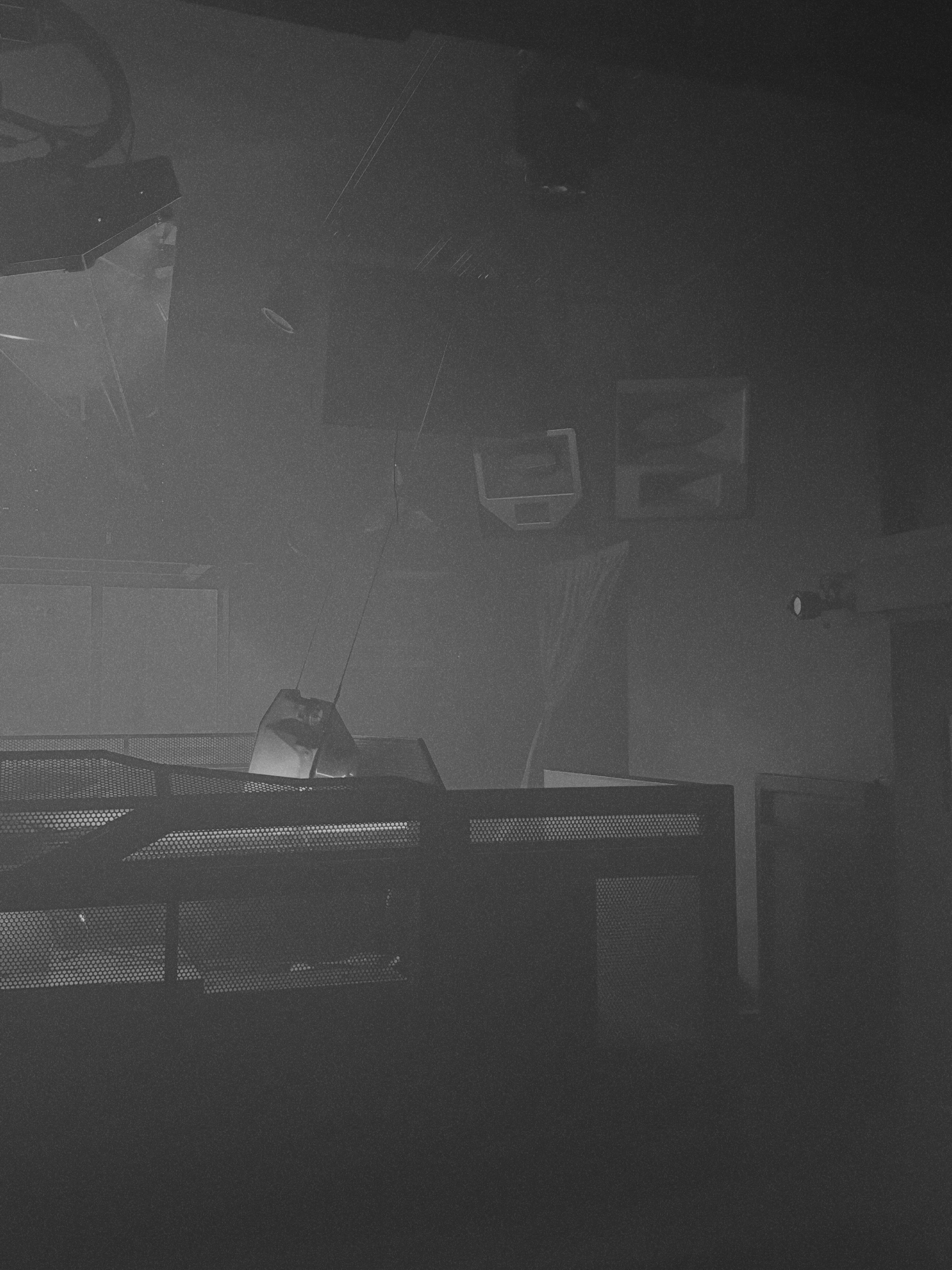
The work sits in conversation with artists like Spence, Tsunoda, Maryanne Amacher, Cevdet Erek, and others who explore material resonance and spatial listening. Their practices frame vibration as a way of encountering the internal life of spaces, which felt relevant here. The nightclub, however, introduces its own conditions: social density, collective movement, and a pressure that is both sonic and bodily.
The final presentation uses the recordings in a quiet room through headphones or speakers. Removed from the environment where they were captured, the vibrations become traces, small fragments of how the building responded during a night out. Without music or visual spectacle, the emphasis shifts to the architecture’s own voice.
Working on this project encouraged a slower form of attention. It highlighted how much physical information spaces carry, how energy travels through structures, and how the edges of a room often speak as clearly as its center. Rather than framing vibration as something dramatic or overwhelming, the aim became to listen for its subtlety, how a space remembers what passes through it, even when nothing is happening on the surface.
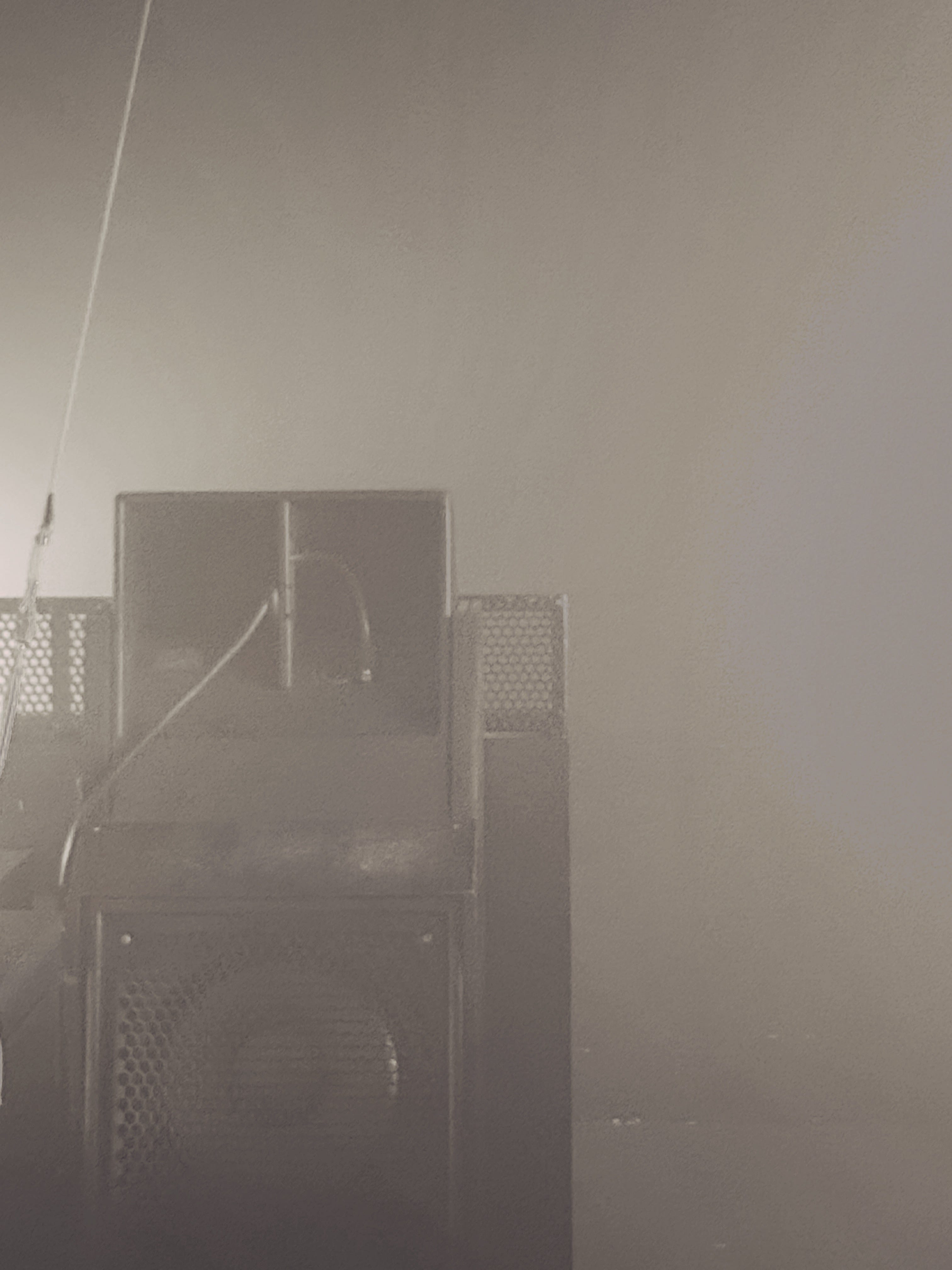
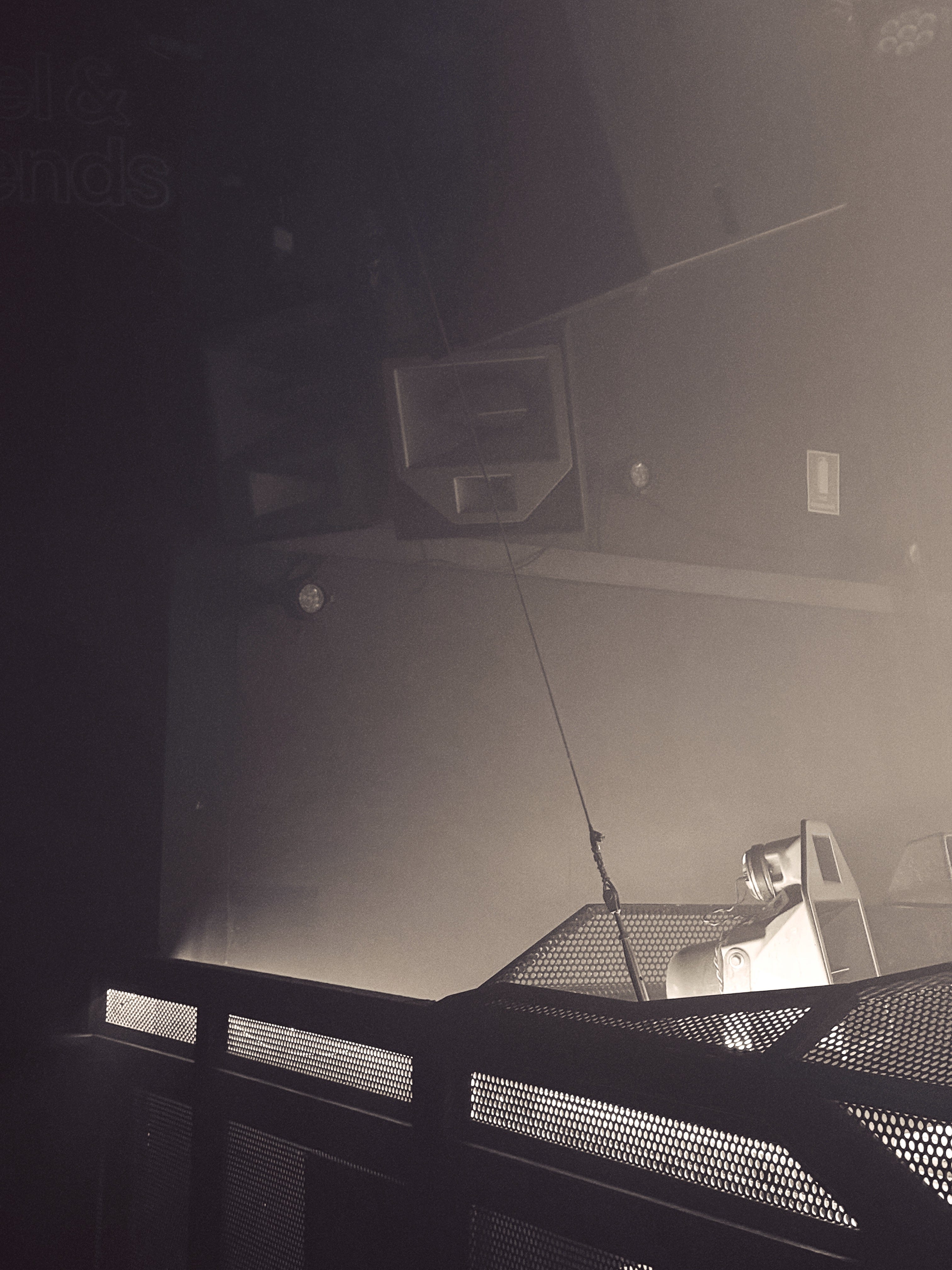
Attached below are the recordings.
Thanks.
Peter Kardasis.